
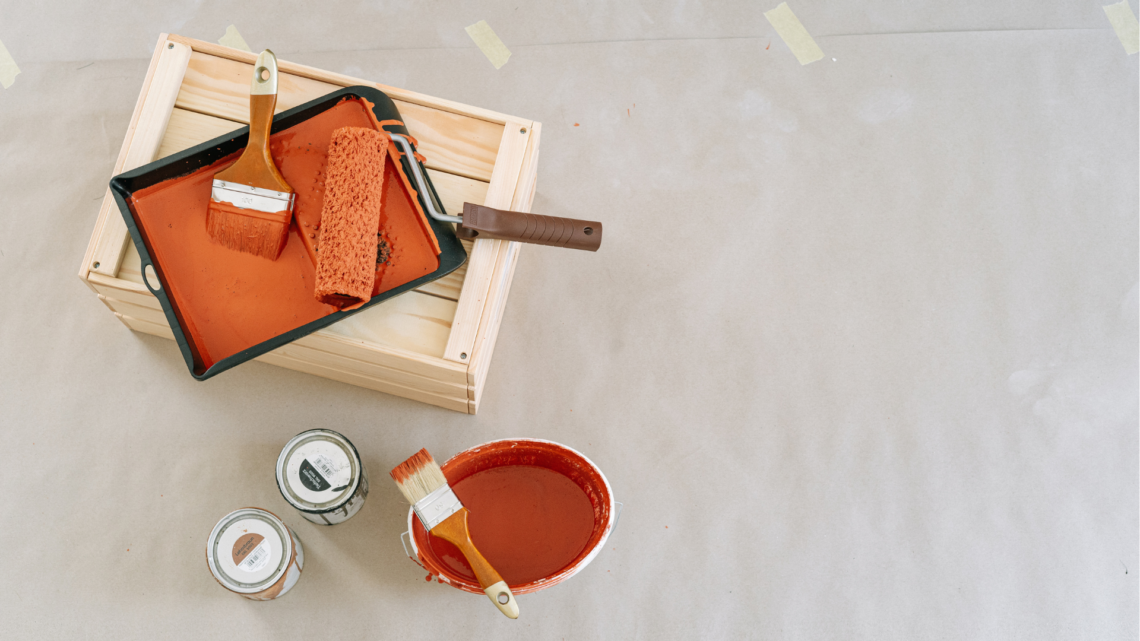
The Best Tools for a Smooth Home Painting Project: Essential Equipment for Professional Results and Efficiency
A successful home painting project depends largely on having the right tools. The best tools for a smooth painting job include quality brushes, rollers, painter’s tape, and a reliable paint tray. These essentials make preparation, application, and finishing more efficient and neat.
Using appropriate tools reduces the risk of mistakes and ensures an even coat. When combined with good technique, they help achieve a professional finish without added stress or mess.
Choosing tools designed for the type of paint and surface can save time and effort. Knowing which items provide the best results allows anyone to approach their project with confidence and clear expectations.
Essential Painting Tools for a Flawless Finish
Using the right equipment ensures even coverage and reduces mess. Selecting appropriate brushes, rollers, and accessories improves precision and safety during the project. Each tool plays a specific role in achieving a professional-looking result without unnecessary effort.
Choosing the Right Paint Brushes and Rollers
Paint brushes come in various shapes and sizes, designed for different tasks. A flat brush is ideal for covering large, flat surfaces, while a sash brush is better for detail work and edges. High-quality bristles, either synthetic or natural, affect paint application and finish.
Rollers require picking the correct roller cover material and nap length, depending on the wall texture. For smooth walls, a short nap of 6-12mm works best. Rougher walls need longer naps, around 15-25mm, for even coverage. The roller frame must fit the cover tightly to avoid paint splatters and maintain control.
The Importance of Paint Trays and Liners
A sturdy paint tray provides a convenient place to load paint onto brushes and rollers evenly. Plastic trays with textured bottoms help remove excess paint, reducing drips and pooling. Using disposable paint tray liners allows for easy clean-up and prevents paint from drying on the tray.
The size of the tray should match the roller width to avoid overloading. Keeping the tray stable on a flat surface minimises spills. Liners save time cleaning and extend the life of paint trays over multiple uses.
Using Extension Poles and Ladders Safely
Extension poles attach to roller frames, allowing painters to reach high walls and ceilings without strain. Poles should feel secure when attached and be adjustable to fit different heights comfortably. Maintaining a steady grip on the pole is essential for control.
When working at heights, using a step ladder or ladder is necessary. It must be stable and positioned on an even surface. They should be the correct height to avoid overreaching, which can cause falls. Always follow safety guidelines, including keeping three points of contact and avoiding standing on the top rung.
Preparation and Protection Tools
Proper preparation begins with protecting the workspace and ensuring surfaces are ready for painting. Using the right materials can save time and prevent damage, making the project smoother.
Drop Cloths and Surface Protection
Drop cloths prevent paint spills from damaging floors and furniture. Heavy-duty canvas drop cloths are preferred because they are durable, reusable, and absorb paint better than plastic alternatives. Plastic sheets protect large areas but can be slippery and prone to tearing.
Position drop cloths carefully to cover all areas under work zones, overlapping edges to avoid gaps. Secure edges with tape or weights to prevent movement during painting. Protect furniture legs and other surfaces with additional cloths or paper if needed.
Effective Use of Painter’s Tape and Masking Tape
Painter’s tape is essential for creating clean lines and protecting trim, windows, and other fixed elements. Choose tape specifically designed for painting; it has the right adhesive strength to prevent peeling paint or leaving residue.
Apply tape along edges with a steady hand, pressing firmly to avoid paint bleed. Masking tape is useful for rougher surfaces or temporary fixes, but may leave residue. To remove tape cleanly, peel it back slowly at a 45-degree angle once the paint is dry to the touch.
Surface Smoothing with Sandpaper and Sanding Blocks
Sanding removes imperfections and helps paint adhere evenly. Use finer-grit sandpaper (120-220 grit) for smoothing walls before painting. Coarser grit may be needed to remove old paint or rough patches initially.
Sanding blocks offer controlled pressure and even sanding, especially on flat or large surfaces. For curved or tight spots, flexible sanding sponges work better. After sanding, wipe surfaces with a damp cloth to remove dust before priming or painting.
Tools for Paint Application and Quality
Choosing the right tools ensures the paint applies smoothly and adheres properly. Proper preparation and the right accessories reduce imperfections and improve the final finish.
Mixing and Stirring for Even Colour
A paint mixer is essential to blend pigments evenly before application. It prevents colour separation that can cause patchiness on the wall.
Using a sturdy stir stick, made of wood or plastic, helps mix smaller quantities or touch-up paint. Stir sticks should be long enough to reach the bottom of the can for consistent colour.
Mechanical paint mixers attach to drills and save time while ensuring thorough blending. They reduce lumps and uneven texture by keeping the paint homogeneous.
Dealing with Wall Texture and Primer Application
Walls with uneven texture require more attention to ensure paint coverage. A thicker primer helps fill small indentations and improves paint adhesion.
Primers are vital for damaged or new surfaces. Applying primer with a roller or brush designed for textured surfaces ensures even coverage without missing crevices.
Thicker primers seal porous walls and reduce the number of paint coats needed. Using primer also prevents stains or previous colours from showing through the new paint.
Accessory Tools for Detail and Repairs
A putty knife is essential for filling holes or cracks before painting. It applies filler smoothly, creating a flat surface for paint to adhere.
Detail brushes allow precise work around trims, corners, and small areas where rollers are ineffective. They help avoid overlaps and missed spots.
Other accessories, such as masking tape and sanding blocks, support clean edges and smooth surfaces. Choosing the right sizes and types of these tools improves overall paint quality and finish.
Innovative and Time-Saving Painting Solutions
Efficient tools can make DIY painting quicker and less strenuous. Focusing on advanced applicators and the right gadgets simplifies tasks, while selecting the most suitable items tailored to a project reduces effort and increases precision.
Advanced Applicators and Painting Gadgets
Rollers with built-in reservoirs eliminate frequent dipping, allowing continuous application. Paint pads with ergonomic grips improve control, reducing hand fatigue during wide surface coverage. Electric paint sprayers offer uniform coats on walls, ceilings, and textured surfaces, saving time compared to brushes or rollers.
Specialised corner and trim brushes speed up precise edges. Extension poles attach to rollers or brushes, increasing reach while maintaining steady pressure. These devices reduce ladder use and help maintain consistent strokes, which is crucial for a professional finish.
Selecting Tools for Your DIY Painting Needs
Choosing the correct tools depends on the size and nature of the project. For small rooms, high-quality brushes with synthetic bristles suit acrylic paints and detailed work. Larger spaces benefit from rollers with varying nap lengths, matched to surface texture, achieving even colour distribution.
Budget and experience also matter. Beginners may prefer combo kits including essential tools, which simplify preparation and application. Experienced painters might invest in specialised gadgets like precision edgers or cordless paint sprayers, improving efficiency without sacrificing control.
Using quality tools tailored to specific tasks reduces errors, lowers repainting chances, and eases cleanup after home painting projects.


You May Also Like
The Ultimate Guide to DIY Garage Storage Solutions
7 Things You Should Consider Remodeling Your Kitchen For