Painting Advice for Rental Properties: Expert Tips for Durable and Damage-Free Walls
Painting rental properties requires careful planning to balance aesthetics and durability. Tenants often need neutral colours that appeal to a broad audience, while landlords prefer finishes that withstand wear and tear. Choosing the right paint type and colour can save both time and money during tenant turnover.
It is important to use paint that is easy to clean and long-lasting, reducing the need for frequent repainting. Additionally, understanding tenancy agreements and landlord responsibilities helps ensure the work complies with legal expectations.
This advice will guide anyone preparing rental properties to achieve professional, cost-effective results that maintain property value. Painting with purpose makes a significant difference in tenant satisfaction and property upkeep.
Understanding Painting Guidelines for Rental Properties
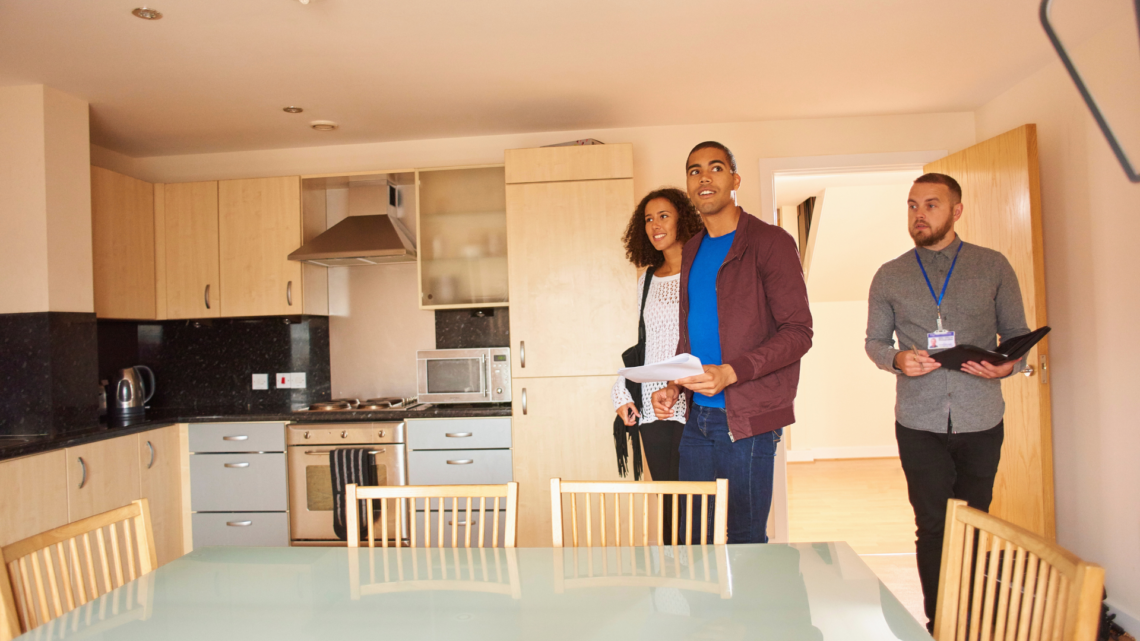
Tenants must carefully consider lease terms, landlord permissions, and specific responsibilities before painting a rental property. These factors determine what is allowed and the proper process to follow.
Reviewing the Lease Agreement
The lease agreement often contains clear rules about painting. It may outright forbid any changes to the walls or specify which types of paint are permitted.
Tenants should check if there are clauses about repainting at the end of the tenancy or requirements to use neutral colours. Ignoring these can lead to disputes or deductions from the deposit.
If the lease is silent on painting, tenants should not assume permission is granted. It remains crucial to clarify with the landlord first.
Obtaining Landlord Approval
Written permission from the landlord is usually required before painting. This ensures both parties agree on colour choices and the scope of work.
Landlords might request a painting plan or samples before granting approval. Some prefer professional painters only, especially in larger or historic properties.
Without approval, tenants risk breaching the lease and facing penalties such as paying for repainting or losing part of their deposit.
Tenant Responsibilities and Restrictions
Tenants must maintain the property’s condition, which includes protecting the walls during painting. They are responsible for restoring the original colour if required.
Using low-odour, non-toxic paint might be a condition to minimise damage or disturbance. Tenants should avoid wallpaper removal or damage caused by poor preparation.
Failure to meet these responsibilities can lead to financial liability and affect future references from landlords.
Selecting Paint Colours and Finishes for Rentals
Choosing the right colours and finishes is critical when painting a rental property. This decision impacts appeal, maintenance ease, and longevity. Neutral colours and practical finishes help create a versatile space attractive to a wide range of tenants while simplifying upkeep.
Benefits of Neutral Tones
Neutral tones work well in rental properties because they appeal to diverse tastes. They create a clean, inviting atmosphere without overwhelming the space. This neutrality makes it easier for tenants to imagine their belongings in the property.
Using neutral colours reduces the need for frequent repainting between tenancies. Bold or personalised colours may demand repainting sooner to meet new tenant preferences. Neutral tones also tend to show less dirt and damage, which helps maintain the appearance for longer periods.
Recommended Neutral Colours
Colours such as off-white, warm beige, soft grey, and light taupe are ideal for rental properties. These shades complement most furnishing styles and are easy to refresh between tenants. For example, a pale grey can modernise a space without limiting future decoration choices.
Matte or eggshell neutrals are preferred, as they do not reflect too much light, keeping rooms comfortable. It is advisable to avoid yellows or greens that risk looking dated. Testing samples in different lighting conditions is essential before committing to a shade.
Choosing Appropriate Paint Finishes
Choosing the correct paint finish for a rental property balances durability and aesthetics. Walls often benefit from eggshell or satin finishes, as they resist stains and are easier to clean than matte finishes.
High-traffic areas like hallways and kitchens may require semi-gloss or gloss finishes for added durability. These finishes stand up better to frequent cleaning and resist moisture, especially in bathrooms. However, they highlight wall imperfections, so surface preparation must be thorough before application.
Best Practices for Preparation and Paint Application
Proper preparation and careful application are essential to ensure a professional finish that lasts. This process includes addressing surface issues, protecting the surrounding areas, and selecting the right materials.
Surface Preparation and Repairs
Thorough surface preparation is crucial before painting any rental property. Walls should be cleaned to remove dust, grease, or stains that can prevent paint adhesion. Filling holes, cracks, and dents with appropriate filler ensures a smooth, even surface.
Once repairs are dry, sanding with fine-grit paper smooths imperfections. It also helps the paint bond better. Removing loose or peeling paint is necessary to avoid future flaking.
Priming especially damaged or stained areas enhances paint durability. Using a quality primer designed for the surface type is recommended to seal repairs and create a uniform base.
Protecting Floors and Furniture
Protecting floors and furniture from paint splashes is a key step. Using drop cloths made of canvas or heavy-duty plastic prevents damage and makes cleaning quicker.
Furniture should be moved out of the room if possible. If not, covering it securely with plastic sheeting and taping edges will avoid accidental paint stains.
Securing masking tape along skirting boards, window sills, and door frames creates clean, sharp edges. It also protects non-painted surfaces from brush or roller marks. Checking tape adhesion before starting the job avoids paint bleeding.
Using Quality Paint and Materials
Choosing quality paint designed for rental properties improves finish longevity and appearance. Durable, washable paints resist marks and are easier to maintain between tenancies.
Water-based acrylic paints are practical for walls due to their low odour and fast drying times. For trim or doors, an oil-based or enamel paint offers stronger protection against wear.
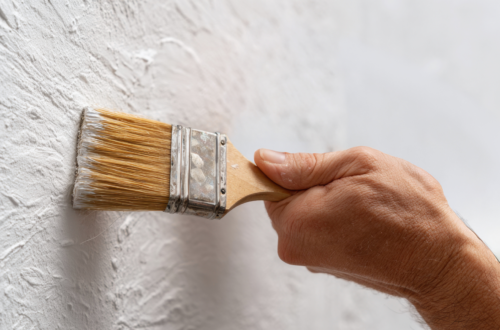
Good materials, such as high-quality brushes and rollers, ensure smooth application. They reduce streaks and leftover brush marks, saving time on touch-ups.
Stirring paint well before and during use maintains consistency. Applying multiple thin coats instead of one thick layer results in even coverage and fewer drips.
Hiring Professionals and Maintenance Considerations
Choosing whether to hire professionals or paint yourself involves weighing cost, quality, and time. Planning the schedule carefully is essential to avoid tenant inconvenience. Regular maintenance with timely touch-ups will extend the life of the paintwork in rental properties.
Deciding Between DIY and a Painting and Decorating Company
Hiring a painting and decorating company guarantees a professional finish and compliance with safety and preparation standards. Professionals bring experience with different surfaces and paint types, reducing the chance of costly errors.
DIY painting can save money upfront, but requires skill, tools, and a significant time commitment. Landlords should consider their availability, expertise, and the condition of the property before choosing DIY. Costs such as equipment rental and paint quality can add up, sometimes exceeding professional quotes.
A painting and decorating company often offers warranties or guarantees, giving landlords peace of mind. For high-turnover rental properties or large projects, professional services generally provide better value and reliability.
Scheduling and Minimising Tenant Disruption
Painting should ideally be scheduled during tenant vacancies or periods of low occupancy to avoid disturbance. If tenants remain, clear communication about timing and duration is essential to maintain good relations.
Work should be planned in phases, starting with less occupied rooms or common areas, to reduce impact. Using low-odour, quick-drying paints helps minimise discomfort.
Landlords can request painters to work during weekdays or specific hours aligned with tenant routines. If possible, hot water and electricity access should be preserved to maintain tenant comfort during painting.
Ongoing Maintenance and Touch-Ups
Regular inspection of painted surfaces helps catch wear and damage early. Minor scratches or chips can be remedied promptly to avoid more expensive repairs later.
Landlords may keep some leftover paint from the initial job for quick touch-ups. A maintenance schedule can be based on tenancy length and property usage patterns.
Using durable, washable paint during initial decoration reduces ongoing maintenance frequency. For high-traffic rental units, scheduled repainting every 3-5 years helps maintain appearance and tenant satisfaction.


You May Also Like
DIY Home Water Repairs: How To Fix a Burst Pipes or A Leaky Faucet

How to Control Corn Earworms in the Garden