Office Painting Ideas To Energise Your Workspace For Increased Productivity And Creativity
A well-chosen paint colour can significantly influence the mood and productivity of a workspace. Selecting energising hues or combining colours creatively can transform an office into a more motivating environment.
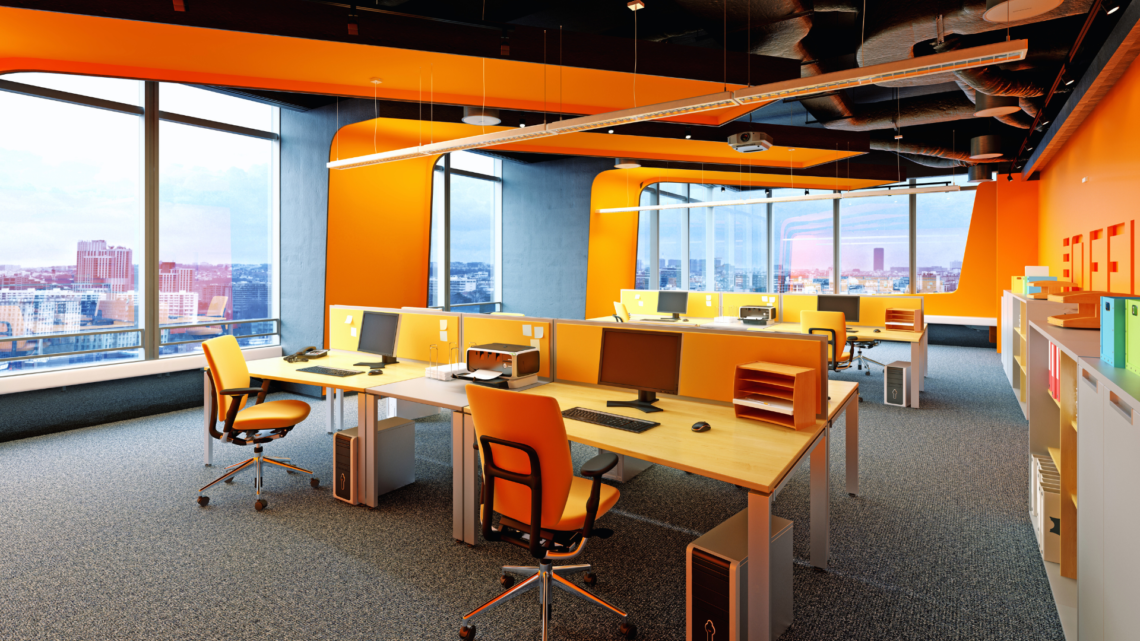
Bright tones like yellow or orange, or cool blues and greens, can boost energy levels and focus when used effectively in office painting. The choice depends on the desired atmosphere and the nature of the work being done.
They can also experiment with feature walls, colour blocking, or subtle accents to add personality without overwhelming the space. Thoughtful use of paint can make an office feel fresher and more inviting.
Core Office Painting Concepts for an Energised Workspace
Effective office painting combines colour psychology, strategic use of accent walls, and modern design elements. These factors work together to create an environment that supports focus, creativity, and motivation.
The Psychology of Colour in Productivity
Colour influences mood and behaviour significantly in a workspace. Blue tones are often linked to calmness and improved concentration, making them ideal for tasks requiring focus. Green represents balance and creativity, suitable for brainstorming areas or collaborative spaces.
Warm colours like orange and yellow encourage energy and optimism, but should be used sparingly to avoid overstimulation. Neutral shades such as grey and beige provide a stable background, allowing other accent colours to stand out without distraction.
Choosing the right colour depends on the type of work and the atmosphere a company wants to promote. Combining colours strategically can help maintain energy levels throughout the day.
Selecting Accent Walls for Visual Interest
Accent walls offer a simple way to introduce vibrancy without overwhelming the entire office. They break up monotony and draw attention to key spaces like meeting rooms or reception areas.
Choosing colours for accent walls should align with the overall palette and brand identity. Textured paints or patterns can add depth and character, while bold colours reinforce energy and focus in designated zones.
Placement is critical; a poorly located accent wall can disrupt visual flow. Walls facing entrances or behind desks often provide natural focal points that enhance the room’s dynamic.
Incorporating Contemporary Design Elements
Modern office painting ideas often include sleek, minimalistic approaches that complement open-plan layouts. Matte finishes, for example, reduce glare and offer a smooth, professional look.
Incorporating geometric patterns or mural art can reflect a company’s innovation while maintaining balance with neutral or pastel foundations. These elements support visual interest without cluttering the workspace.
Using eco-friendly, low-VOC paints also aligns with sustainable contemporary office design. This choice benefits employee well-being through better air quality and demonstrates corporate responsibility.
Creative Colour Schemes and Inspiring Techniques
Selecting the right colours and painting techniques can define the mood and energy of a workspace. Using specific palettes and design methods enhances productivity and stimulates creativity effectively.
Calming Blues for Focus and Calm
Calming blues reduce stress and promote concentration in office spaces. Shades like soft sky blue or muted navy support a quiet, reflective atmosphere ideal for focused tasks.
Blue walls paired with white or grey accents create a clean, balanced look. It can also cool down rooms that receive a lot of natural light, preventing overstimulation.
In communal areas, a deeper blue encourages collaboration without causing distraction. Blue is psychologically linked to trust and reliability, reinforcing a professional environment.
Invigorating with Earthy Tones
Earthy tones such as warm browns, terracotta, and olive greens bring warmth and natural energy into an office. These colours make spaces feel grounded, supporting sustained motivation during long workdays.
Using these tones on feature walls or accessories introduces variety without overwhelming the senses. Earthy hues also complement wooden furniture and indoor plants, enhancing a biophilic design.
Such colours work well in creative industries where a connection to nature fosters innovation and a calm mindset.
Geometric Patterns for Dynamic Environments
Geometric patterns introduce structure and movement, energising dull walls without bright colours. Triangles, hexagons, or stripes can be painted in contrasting shades for visual interest.
Patterns can define zones within open-plan offices or break monotony in corridors. Using a neutral base with accents of blues or earthy tones keeps the design professional yet lively.
Strategically placed patterns encourage alertness and stimulate the brain through shape recognition and spatial arrangement.
Colour Zoning and Blocking Strategies
Colour zoning uses different colours to designate specific areas, improving workflow clarity. For example, blue can mark quiet zones while warmer tones highlight collaborative spaces.
Colour blocking divides walls or furniture into large, solid areas of colour. This neat separation reduces visual clutter and can subtly direct movement within the office.
Combining calming blues with earthy tones in colour zoning balances serenity and stimulation. This technique also adapts well to irregular spaces or varied ceiling heights.
Personalisation and Practical Considerations
Choosing the right paint and wall design can enhance motivation and support work habits. It is important to balance aesthetics with functionality, tailoring the space to the nature of the work and personal preferences.
Refreshing Home Offices for Remote Work
In home offices, colour choices should reflect the individual’s work style and environment. Calming tones like soft blues or pale greens help reduce stress, while brighter accents such as burnt orange or mustard yellow can boost energy during long working hours.
Natural light plays a key role in selecting paint finishes; matte finishes minimise glare, and lighter shades increase brightness. Incorporating personal touches like framed art or shelves keeps the environment engaging without cluttering the space.
Designs that incorporate neutral base colours with pops of colour encourage focus and adaptability for different tasks. This approach supports remote work needs, fostering a productive atmosphere within limited areas.
Writable Walls and Functional Features
Writable or chalkboard walls introduce an interactive element to office spaces. They allow immediate jotting down of ideas, lists, or reminders, which can enhance daily organisation and brainstorming sessions.
Magnetic paint is another practical solution, enabling mounting notes and documents without damaging surfaces. These features combine aesthetics with usability, reducing reliance on additional stationery and promoting tidiness.
Durable, washable paints work well in high-traffic areas, maintaining a polished look despite frequent use. Functional walls cater to both individual concentrated work and collaborative tasks in shared or home office settings.
Murals, Graphics, and Brand Identity
Murals and graphics convey creativity and reinforce workplace culture. In home offices, subtle motifs or patterns can personalise the space without overwhelming it.
For corporate settings, integrating brand colours or logos into wall designs supports identity and professionalism. It strengthens the connection to the company and boosts morale during remote work or hybrid arrangements.
Careful selection of scale and style ensures murals do not distract but enhance the ambience. Clean lines or geometric shapes commonly suit modern offices, adding visual interest that complements work objectives.

You May Also Like
Refreshing A Dull Office Without Major Renovations: How To Transform Your Workspace Efficiently
Make the Most of Your At-Home Space: Tips for Setting up a Flex Room