
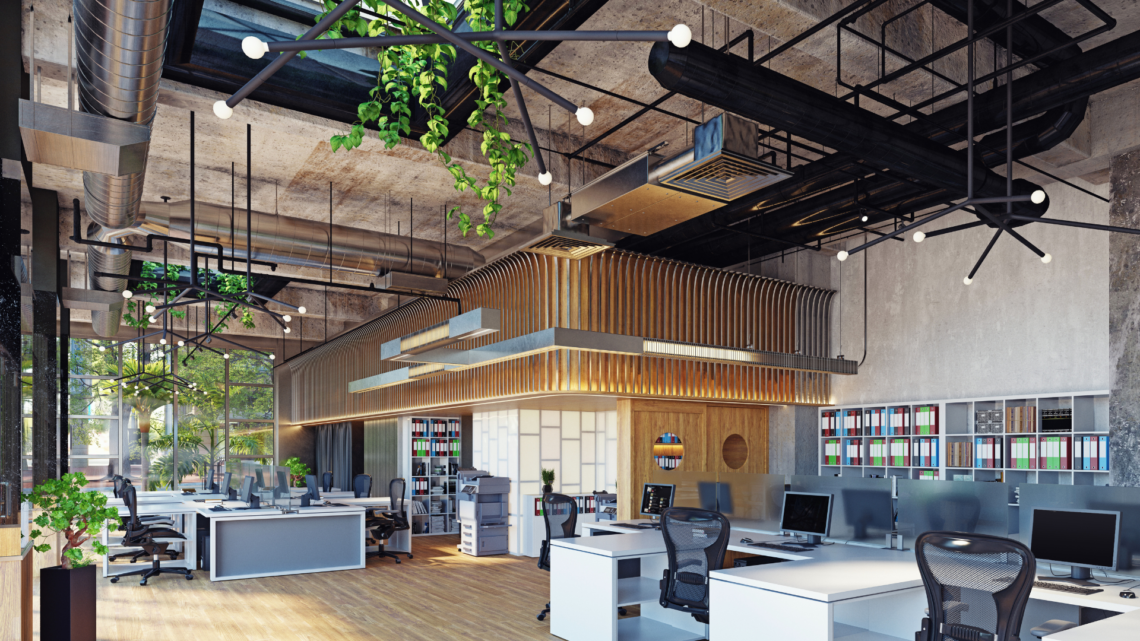
Refreshing A Dull Office Without Major Renovations: How To Transform Your Workspace Efficiently
A dull office can affect productivity and morale, but major renovations are not always necessary to create a more inviting workspace. Refreshing an office can be achieved through simple changes like rearranging furniture, adding plants, updating lighting, or incorporating new decor. These adjustments can breathe new life into the environment without disrupting daily operations.
By focusing on small yet impactful updates, the office can feel more vibrant and comfortable. Even subtle colour changes or improved organisation can make a significant difference in how a space feels. This approach is practical, cost-effective, and manageable for most businesses looking to improve their work environment quickly.
Strategic Use of Office Furniture and Layout
Refreshing a dull office can be achieved by carefully selecting furniture and arranging the space to enhance functionality and aesthetics. Prioritising new elements and adaptability while considering employee movement improves the overall work environment meaningfully.
Upgrading Outdated Furniture for Instant Impact
Replacing old or worn furniture immediately boosts the office’s appearance. Chairs with ergonomic designs and desks with clean lines and durable surfaces update the space physically and visually.
Choosing neutral colours like grey or black for desks and chairs creates a professional tone, while adding a few colourful accessories, such as cushions or small desks, introduces personality without clutter.
Investing in quality office furniture reduces the need for constant repairs and improves comfort. Comfort directly influences productivity and employee satisfaction. Focus on key pieces such as desks, seating, and storage units for maximum effect.
Implementing Modular Furniture for Flexibility
Modular furniture offers adaptability, making it easier to change the office setup to match evolving needs. Desks, partitions, and storage units with modular designs can be rearranged without professional help.
This furniture type supports diverse work activities, from collaborative meetings to quiet focus zones. It also facilitates hot-desking policies and can accommodate varying team sizes.
Materials like lightweight metals and laminated wood make modular pieces both sturdy and easy to move. Modular furniture helps offices respond quickly to new layouts or workflow improvements without major expense.
Reconfiguring the Office Layout for Better Flow
Effective office layout encourages natural movement and reduces congestion. Position workstations away from main traffic paths and ensure clear routes to exits and communal areas.
Grouping related departments or teams nearby fosters communication and efficiency. Avoid placing large furniture items in narrow corridors or near doorways to maintain openness.
Incorporate spaces where employees can take short breaks without disturbing others, such as small lounges or quiet corners. Improving layout flow can also enhance natural light distribution, which benefits mood and focus.
Revitalising the Office Environment with Design Elements
Changing key visual and tactile elements can significantly improve the atmosphere without structural changes. Focused adjustments to walls, floors, and lighting enhance both aesthetics and functionality.
Enhancing Walls with Artwork and Decals
Walls with neutral paint can feel uninspired, but are ideal canvases for improvement. Installing framed artwork with simple, professional themes brings colour and interest without overwhelming the space. Photographic prints or motivational quotes in sleek frames work well.
Wall decals offer a modern alternative. They are easy to apply and remove, allowing for seasonal updates or branding displays. Choose designs that align with the office’s purpose and culture, such as geometric patterns or nature motifs that subtly energise the room.
Artwork and decals break visual monotony and help demarcate zones within an open-plan layout.
Incorporating Area Rugs and Curtains
Area rugs add texture and warmth to otherwise cold, hard floors, improving comfort and noise absorption. When selecting rugs, size them to fit under desk clusters or seating areas to define spaces clearly. Low-pile fabrics are preferable to aid cleaning and reduce trip hazards.
Curtains serve both functional and decorative roles. Light-filtering curtains control natural light, cutting glare while maintaining brightness. Choose materials and colours that complement the colour scheme to unify the design.
Together, rugs and curtains create a layered, welcoming environment that mitigates echo and harsh edges typical in office layouts.
Upgrading Lighting for Ambience and Productivity
Good lighting supports concentration and reduces eye strain. Replace harsh fluorescents with LED fixtures offering adjustable colour temperatures. Cooler tones (4000-5000K) improve alertness, while warmer lighting suits relaxation areas.
Desk lamps with directional light enable personalised control, helping prevent shadows on screens or work surfaces. Incorporate indirect lighting, such as wall washers or floor lamps, to soften the overall ambience.
Effective lighting blends practicality with mood enhancement, fostering a comfortable, efficient workspace.
Introducing Nature and Quiet Spaces
Incorporating natural elements and designated quiet areas can significantly enhance office atmospheres without costly renovations. This approach improves air quality, reduces stress, and supports concentration by blending greenery and calm zones into the workspace.
Biophilic Design and Living Walls
Biophilic design integrates natural materials and forms to bring the outdoors inside. It focuses on visual connections with nature, natural light, and ventilation.
Living walls are vertical gardens that serve as focal points and air purifiers. They reduce noise levels and improve humidity control. Installing a living wall requires minimal space and can be maintained easily with automated irrigation systems.
Using natural wood, stone, or water features alongside living walls further boosts the natural aesthetic and supports well-being.
Adding Greenery for Freshness
Plants like snake plants, pothos, and peace lilies are low-maintenance and effective at filtering indoor air. Placing plants near desks or in communal areas adds vibrancy and freshness.
Grouping plants in clusters creates mini indoor gardens that break monotony. Leafy plants also improve oxygen levels, reducing fatigue for workers.
Rotating or changing plants seasonally keeps the environment dynamic. Using varied pot designs can enhance the decor while complementing office colour schemes.
Creating Quiet Zones and Focus Areas
Quiet zones offer spaces free from interruptions for deep work or relaxation. These zones can be designated corners with sound-absorbing panels and comfortable seating.
Focus areas minimise visual and auditory distractions using dividers, carpet tiles, or acoustic pods. Clear signage helps employees identify and respect these spaces.
Providing headphones or noise-cancelling options supports individual preference. Such areas improve productivity without additional construction by using furniture arrangement and sound management.


You May Also Like

The Importance of Employee Training and Development in Business Success